
Propagation
Propagation is often the first step in commercial floraculture production. Propagation, also referred to as cloning, is a great way of preserving genetics and ensuring crop consistency. Traditional propagation technique involves taking a sample branch or “cutting” from the genetic donor, referred to as the mother plant. Each cutting is a genetic copy of the donor plant, it will exhibit all of the features and characteristics of the donor. Select donor plants by identifying quality traits such as vigor, yield, flavor profile, potency, appearance, etc…
The two most common medias to use for propagation are the Aeroponic Cloner (ez cloner/turbo clone) and the propagation dome. Each method has its own pros and cons, deciding which is best depends on a few key factors to consider. I have worked extensively with both Aeroponic Cloners as well as propagation domes, here’s the breakdown on the pros and cons.
Propagation Domes
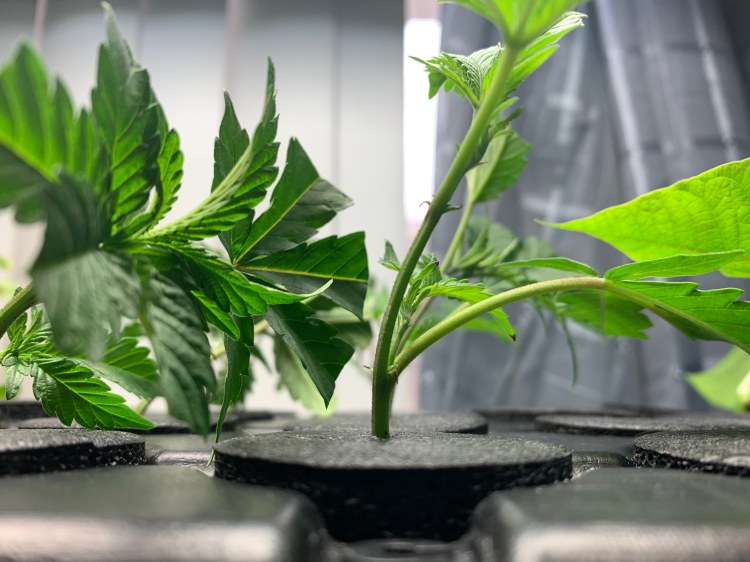
The propagation dome is simplicity at its best. A tray with a dome lid, there isn’t too much to mess around with. The cuttings are dipped in hormone solution and then placed in either a rockwool cube or a peat plug. The cube/plug is then placed in a tray and covered with the transparent dome. The dome keeps the humidity very high for the cuttings, high humidity is vital for this technique. Wipe excess moisture and dew drops off of the inside of the dome lid daily, this allows for an air exchange and to reduce excessive humidity.

Roots should be visible in 10-14 days. When roots are visible it is time to start the acclimation process i.e. hardening off. The acclimation process is definitely the biggest con with dome cloners. When rooting the clones become accustomed to the high humidity environment of the dome. When the dome is removed the clones are exposed to open air, they often go into shock due to the sudden change of air pressure and humidity. The clones need to acclimate by adjusting their transpiration rate. We facilitate the acclimation by venting the domes when the roots first appear.

Uniformity
To encourage uniformity all the cuttings should be orientated the same way in the clone dome. For example, all the largest petioles are at 2 o’clock. Encouraging uniformity occurs throughout the crop lifecycle. A uniform plant canopy creates uniformity with individual flowers, and maximizes yields.

Checkerboard arrangement gives the plants extra room for airflow.
Follow My Blog
Get new content delivered directly to your inbox.
 primoblooms.com